

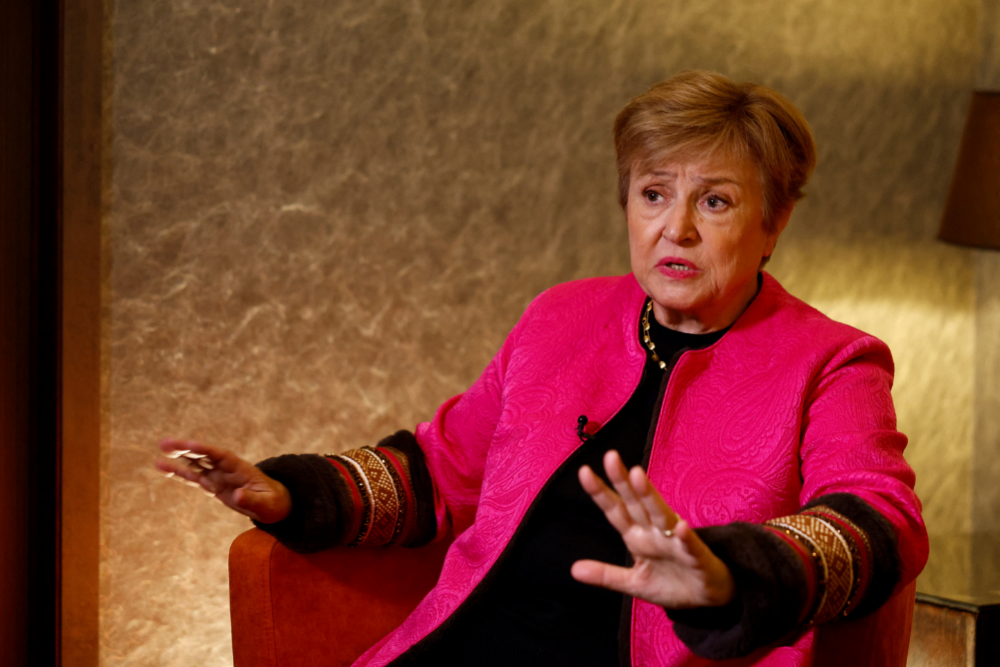
KYIV - The International Monetary Fund's latest economic forecasts due next week will show the global economy's continued resilience to trade shocks and "fairly strong" growth, IMF Managing Director Kristalina Georgieva told Reuters on Thursday.
In an interview during a visit to Kyiv to discuss the IMF's loan to Ukraine, Georgieva suggested the IMF could again revise its forecasts slightly upward as the World Bank did this week.
In October, the IMF edged its 2025 global GDP growth forecast higher to 3.2 percent from 3.0 percent in July as the drag from US tariffs was less than initially feared. It kept its 2026 global growth outlook unchanged at 3.1 percent.
Asked what the January forecasts would show after the upgrade in October, Georgieva said: "More of the same - that the world economy is remarkably resilient, that trade shock has not derailed global growth, that risks are more tilted to the downside, even if performance now is fairly strong."
The IMF is expected to release its World Economic Outlook update on Jan 19.
Georgieva said risks were focused on geopolitical tensions and rapid technological shifts. Things could turn out well, she said, but the global economy could also face significant financial distress if the huge resources flowing into artificial intelligence did not result in promised productivity gains.
"We are in a more unpredictable world, and yet, quite a number of businesses and policymakers operate as if the world hasn't changed."
ALSO READ: IMF chief: AI could be source of divergence within and across countries
Georgieva said she worried that many countries had failed to build up sufficient reserves to deal with any new shock that could occur. The IMF currently has 50 lending programs, a high number by historic standards, but was bracing for more countries to seek funds, she said.
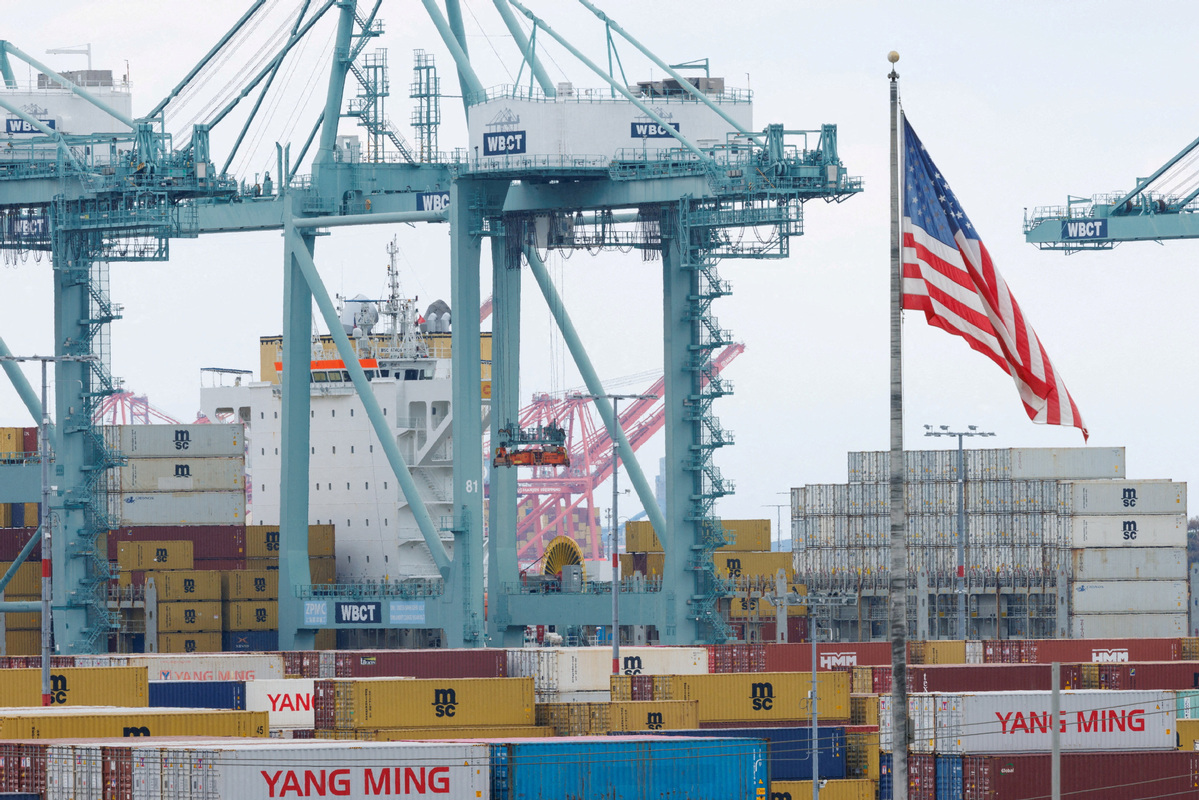
The IMF chief said US economic performance had been "quite impressive" despite a raft of tariffs imposed by President Donald Trump last year on nearly every country in the world.
She said overall tariff levels were lower than initially threatened, and the US accounted for only about 13 percent to 14 percent of global trade. Most other countries had also refrained - at least so far - from imposing retaliatory measures, which had helped limit the impact of the wave of US tariffs.
She said inflation and macroeconomic conditions could still worsen, though, if the trade picture darkened.
Geopolitical factors were also clouding the outlook and now played a more significant role than in years past, said Georgieva, who took office in October 2019, just months before the COVID-19 pandemic hit in early 2020.
"Regrettably, since I took this job (in 2019), there has been one shock after another after another," she said.
