

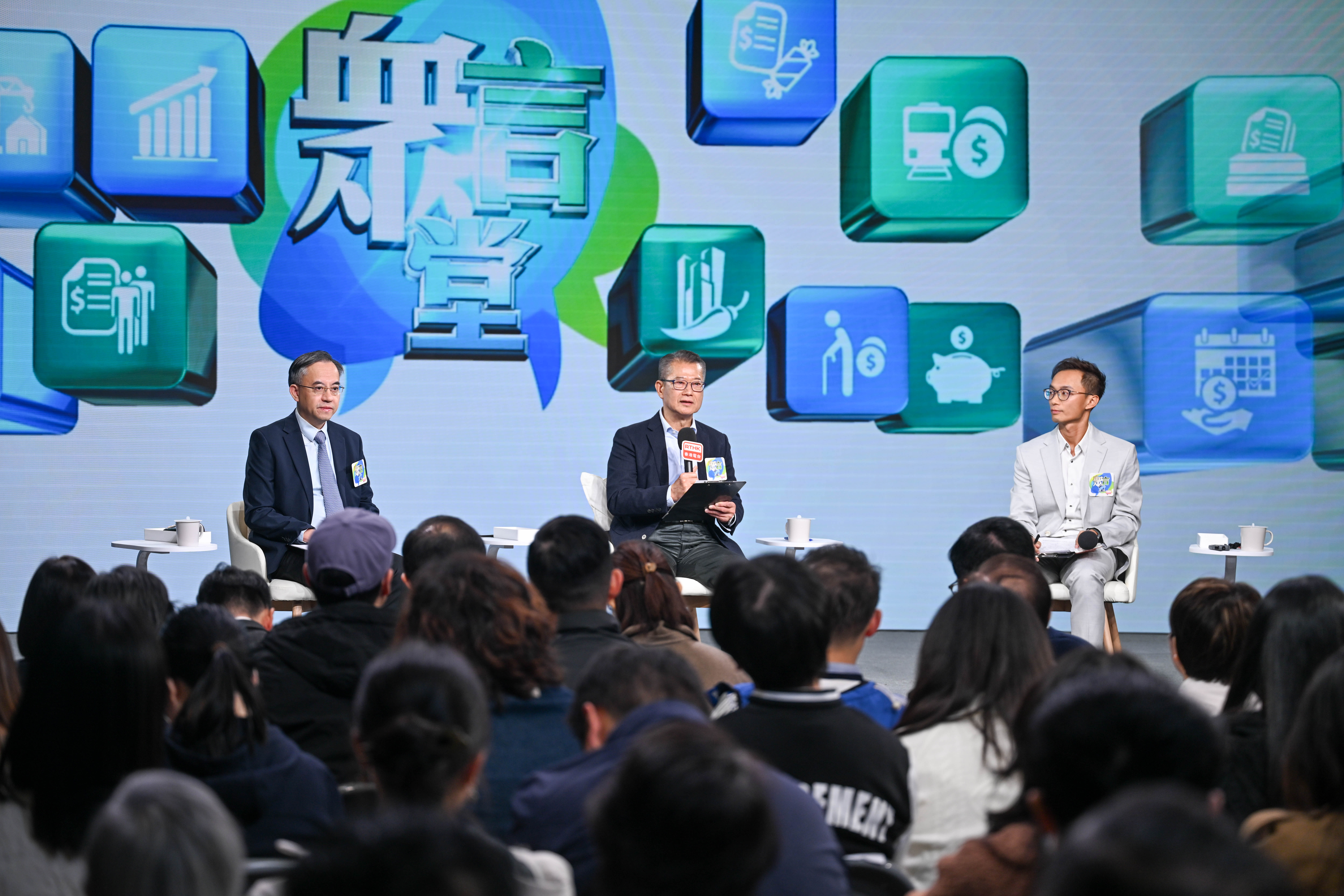
The Hong Kong Special Administrative Region government is confident its operating account will return to a surplus, but the capital account still shows a deficit with increasing spending on public works projects, according to Financial Secretary Paul Chan Mo-po.
Although the government has been issuing bonds to support infrastructure development, its outstanding debt, standing at about 12 percent of the city’s gross domestic product, remains at “a very healthy level by international standards”, the finance chief wrote in his weekly blog on Sunday.
The latest statistics from the International Monetary Fund show that Singapore's government gross debt is about 175 percent of GDP, while Japan's tops 220 percent – one of the highest in the world.
Chan will unveil the budget for the fiscal 2026-27 year on Feb 25, with proprieties expected to include advancing progress on infrastructures like the Northern Metropolis project and a review of the structure of public-sector expenses.
ALSO READ: Chan: It’s vital to accelerate Northern Metropolis project
He said the SAR’s operating account is expected to return to surplus ahead of schedule, buoyed by robust financial markets that have helped boost government revenues, including stamp duty income. The trade sector, accounting for about 15 percent of GDP, also drove economic growth through strong exports last year.
The SAR government’s fiscal consolidation efforts, on the other hand, yielded certain results in controlling expenditure last year.
However, spending has kept rising, with education, healthcare and social welfare taking up nearly 60 percent of total expenditure, Chan said.
“The government must allocate resources with precision and enhance efficiency to ensure that limited public resources are put to good use, thereby maintaining the sustainability of public services.”
The deficit for 2025-26 is projected to hit HK$67 billion ($8.58 billion), with total government revenue for the period standing at about HK$659.4 billion and expenditure reaching HK$822.3 billion, according to the last fiscal budget’s estimates.
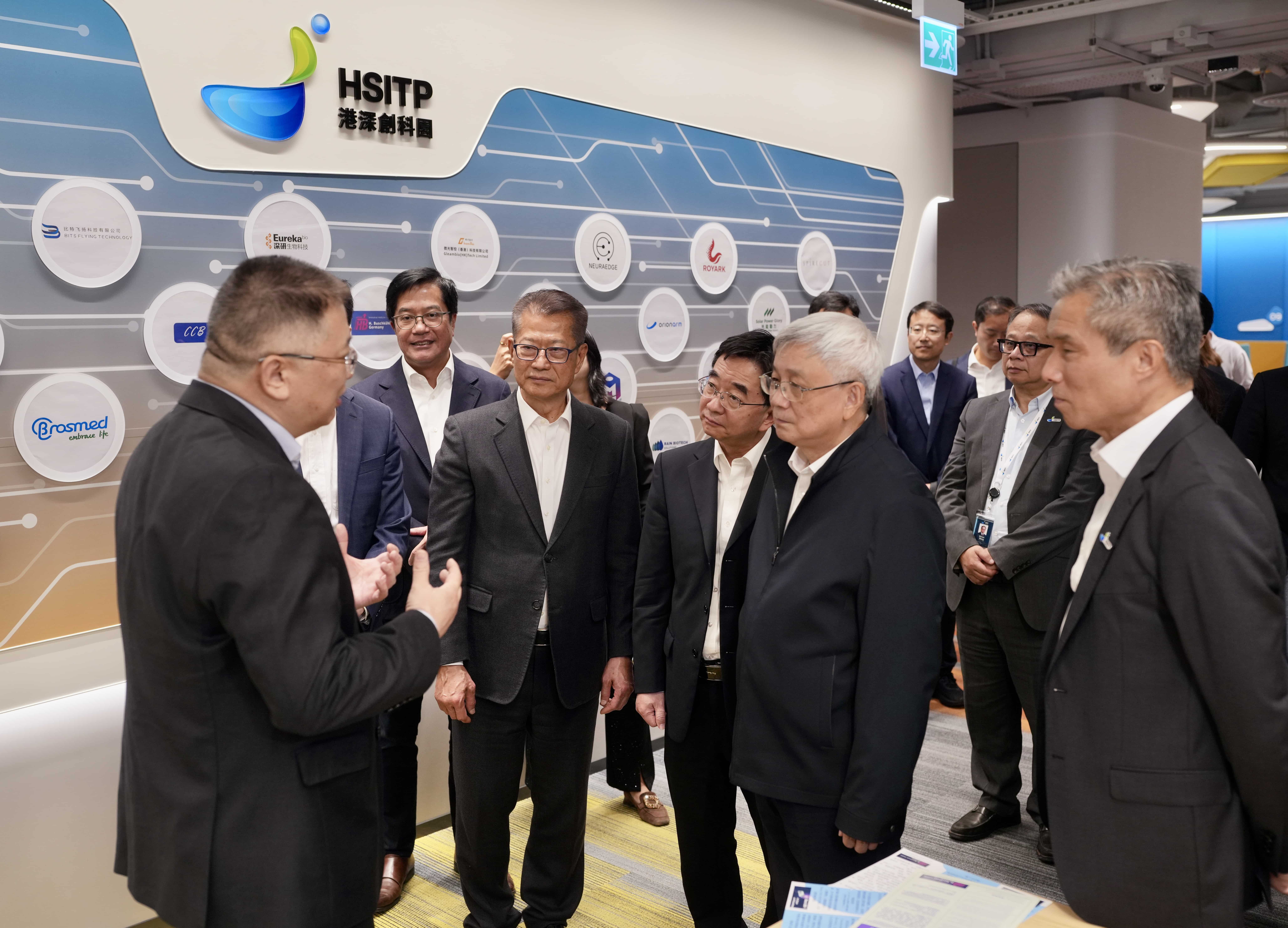
Chan stressed it’s necessary to reinforce future growth engines, especially by speeding up development of the Northern Metropolis.
“The returns on infrastructure investments often materialize gradually after completion,” he noted, saying the government will harness market forces, including issuing bonds to fund infrastructure projects.
The government will cultivate new economic drivers to create more diverse and high-quality jobs, ensuring development can “benefit residents from all walks of life”, Chan said.
READ MORE: Chan: HK aims to be global innovation hub with AI at core
In the artificial intelligence-driven transformation era, widespread, high-quality tech adoption will shape economic competitiveness, he said. The authorities will strive to better leverage technology to empower industries, businesses and the public, letting them to reap AI’s rapid advancement.
As of Nov 30 last year, the SAR government’s fiscal reserves stood at HK$636.6 billion.
