

New regulations on tobacco control, medical bills, road safety and child protection are set to be rolled out in the new year.
Effective Jan 1, stricter tobacco control measures will be implemented citywide, including doubling the fixed penalty for violators to HK$3,000 ($385), bans on smoking in queues, and designating the public places lie within three meters outside the entrances and exits exclusively used for residential care homes, schools and hospitals as non-smoking areas.
More tobacco control measures will take effect on April 30, including prohibiting the possession of alternative smoking product substances, such as e-cigarette liquids, in public places.
Also starting Jan 1, the city’s public medical system will implement reformed fees and charges. Under the new pricing system, the charge for accident and emergency services will be increased from HK$180 to HK$400 per time, although patients in critical and emergency situations will be exempt.
Tiered charges will be introduced for non-urgent radiology and pathology services, with advanced examinations costing from HK$50 to HK$500.
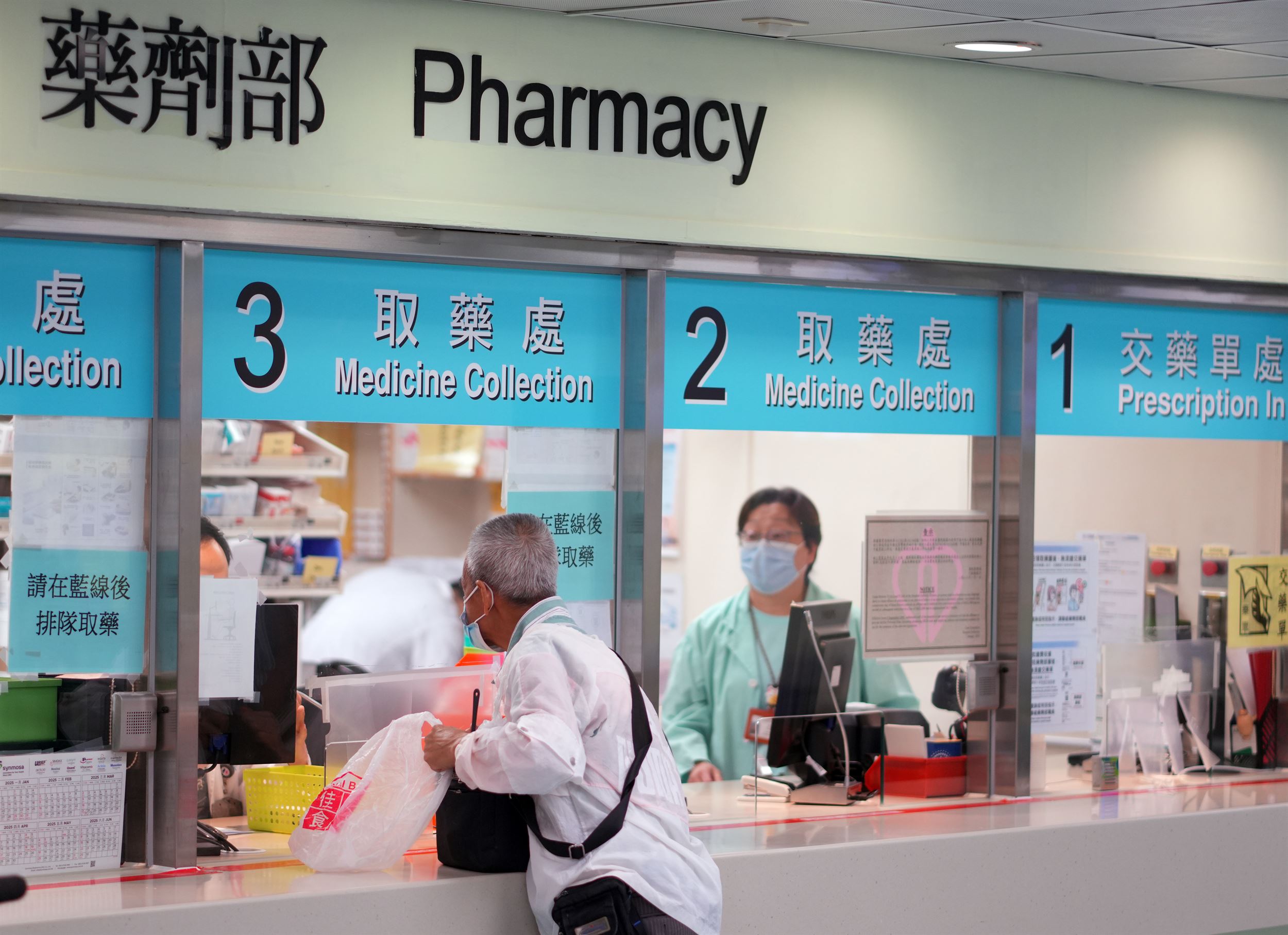
For specialist outpatient clinic services, fees will be increased to HK$250. Drugs prescribed by specialist outpatient clinics will be charged at HK$20 per item with a four-week supply.
Admission fees for inpatient services and daily treatment will be waived, as will fees for psychiatric day hospital care.
A cap on annual spending of HK$10,000 for public medical fees and charges excluding self-financed items will be introduced, and some fee waiving mechanisms will be enhanced. Overall, through better resource allocation and enhanced support for “poor, acute, serious, critical” patients, authorities estimate the reforms will benefit 2 million residents.
ALSO READ: 6.3m HK residents can now use eHealth records in mainland
The Hospital Authority said it has deployed over 1,000 staff members in public hospitals to help patients understanding the new fees.
Dennis Lam Shun-chiu, a Hong Kong deputy to the National People's Congress, applauded banning smoking in public transportation waiting areas, saying it has a practical significance in improving the urban environment.
He stressed that the smoking control policy could be further refined, by prohibiting smoking while walking, and expanding the definition of semi-indoor no-smoking areas.
Lam, an experienced ophthalmologist, agreed that the reformed charges for the public healthcare system can help prioritize the allocation of limited resources to the neediest patients.
Lam said the new measures would help ensure that everyone will receive appropriate treatment. For instance, the increased fees for non-emergency services can alleviate the pressure for frontline medical personnel and enhance overall service quality, he added.
Lam also suggested that more night clinics could be set up at public hospitals to accommodate residents who find it difficult to seek medical care during daytime.
David Lam Tzit-yuen, a doctor representing the healthcare sector in the legislature, pointed out that the subsidy in public healthcare is still substantial even after the fee adjustment. The objectives of the reform are multifaceted, encompassing resource allocation, waste reduction, and the enhancement of patient accountability, he noted.
The reformed cost for using accident and emergency services is higher than the consultation fee of Family Medicine Clinics, which is expected to prompt some patients, especially during the daytime, to visit the clinics for consultation.
Lam suggested Family Medicine Clinics could adjust their evening consultation hours and service capacity to offer the public more options.
More regulations to come
The Mandatory Reporting of Child Abuse Ordinance will come into effect on Jan 20, with the aim of ensuring early intervention in suspected serious child abuse cases.
Starting from Jan 25, drivers and passengers seated in buses, minibuses, cargo vehicles and special purpose vehicles must wear seat belts if provided. All such vehicles registered after this date must be fitted with seat belts.
Anyone failing to wear a seat belt will be liable to a maximum fine of HK$5,000 and imprisonment for up to three months.
Also from Jan 25 on, drivers will not be allowed to place more than two mobile telecommunications devices, such as smartphones, tablets and laptops, in front of them while driving.
Contact the writer at atlasshao@chinadailyhk.com
