


RIYADH - The Saudi Cabinet on Tuesday called on the United Arab Emirates (UAE) to withdraw its forces from Yemen within 24 hours and end all support for separatist groups, signaling a sharp public rift between the two Gulf powers.
The statement, carried by the state-run Saudi Press Agency, warned that Riyadh would take "necessary steps" to protect its national security and described recent developments as an "unjustified escalation" that undermines stability and contradicts the principles of the Saudi-led coalition.
Tensions have risen over the actions of Yemen's Southern Transitional Council (STC), which recently seized large swathes of the oil-rich Hadramout province and the eastern governorate of Al-Mahrah, territories Riyadh considers a "red line" due to their proximity to Saudi Arabia and concentration of Yemen's remaining energy reserves.
READ MORE: UN chief condemns Houthis' referral of UN staff to special criminal court
The Saudi Cabinet expressed regret over failed de-escalation efforts and accused the UAE of not honoring previous commitments, reiterating full support for Yemen's Presidential Leadership Council (PLC) and its chairman, Rashad al-Alimi.
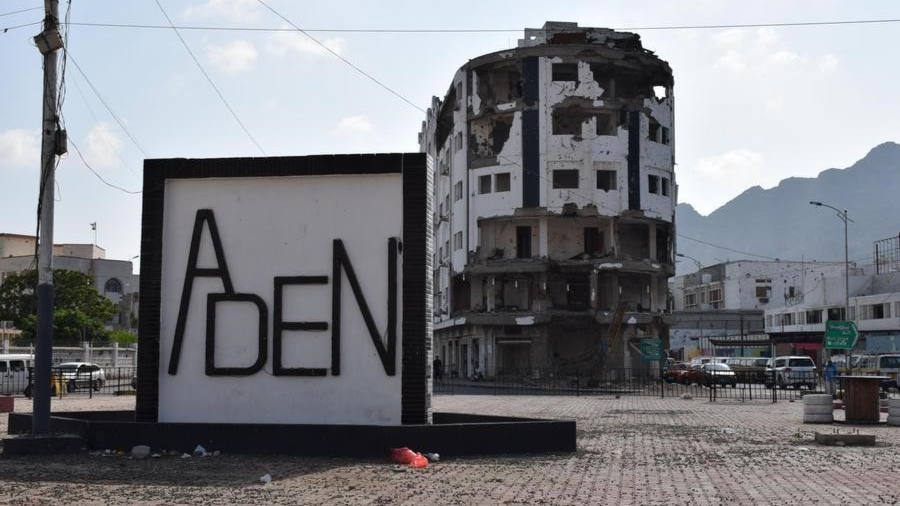
The STC, despite being part of the PLC, has long promoted southern Yemeni independence and accused the internationally-recognized government -- now based in the southern city of Aden after being ousted by Houthi forces in 2014 -- of failing to counter Houthi offensives.
The secessionist group commands significant control in Aden and other southern cities, reportedly receives support from the UAE, which has upset Saudi Arabia, the main backer of the recognized government.
Earlier on Tuesday, the UAE Ministry of Defense said it would withdraw its remaining forces from Yemen, citing concerns that recent developments "could affect the safety and effectiveness of its counterterrorism operations." The ministry did not provide a timeline and denied pressuring any Yemeni party to carry out operations threatening Saudi security.
The diplomatic fallout escalated after a Saudi-led coalition airstrike targeted vehicles at the port of Mukalla in Hadramout, which Riyadh said were intended for STC forces. The UAE Ministry of Foreign Affairs denied the claim, saying the shipment contained no weapons and had been coordinated with Saudi authorities.
Following the strike, Yemen's leader al-Alimi canceled a joint defense agreement with the UAE and ordered all Emirati forces to leave within 24 hours.
The public dispute marks a shift for the Gulf powers, who have traditionally relied on quiet diplomacy to manage differences in Yemen, and poses the most significant challenge to their shared regional strategy in years.
Yemeni port weapons, ammunition
The Saudi-led coalition in Yemen said on Tuesday that two vessels entering the southern port of Mukalla were carrying containers loaded with weapons and ammunition.
In a post on X, coalition spokesperson Turki Al-Maliki said the vessels entered the port without obtaining entry permits from the Yemeni government or the Coalition Command, in response to a statement by the United Arab Emirates Foreign Ministry claiming that the shipment contained no weapons and was destined for Emirati forces.
Turki Al-Maliki added that the UAE transferred the vessels and containers to Al-Rayyan Base without notifying the Saudi side. Both vessels had switched off their tracking and identification systems before entering Yemeni territorial waters, and inspections upon arrival revealed that the containers were loaded with weapons and ammunition.
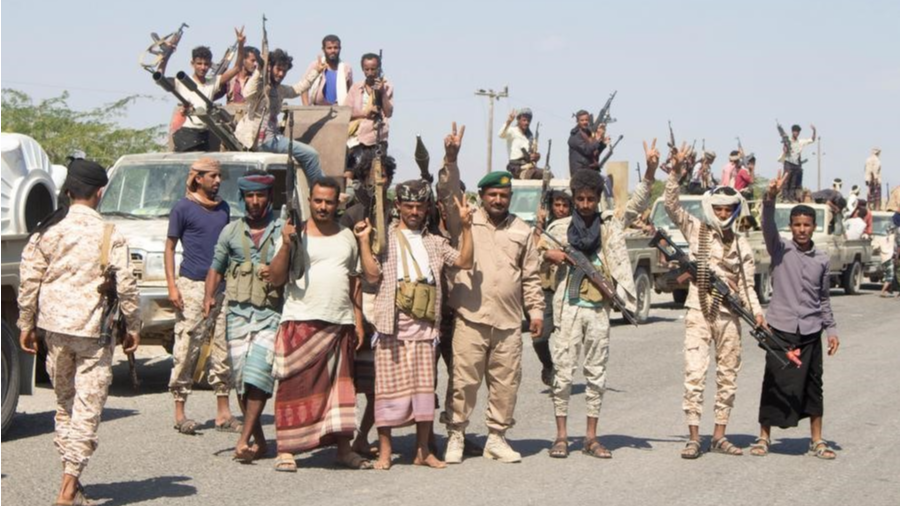
He said the coalition received confirmed information that the containers were intended to be transported and distributed to multiple locations in Yemen's oil-rich Hadramout province, which borders Saudi Arabia and where the UAE-backed Southern Transitional Council (STC) has recently expanded its military presence.
The Coalition Command confirmed it had conducted a "limited military operation" in Mukalla earlier in the day. According to Saudi media, the airstrike caused no casualties or collateral damage. However, the attack marks a significant escalation between the two Gulf states.
Amid rising tensions, UAE Deputy Prime Minister and Foreign Minister Sheikh Abdullah bin Zayed Al Nahyan held a phone conversation on Tuesday with US Secretary of State Marco Rubio to discuss the latest developments in Yemen and the Gaza Strip.
During the call, the UAE official reaffirmed the country's commitment to working closely with the United States and other partners to help establish sustainable peace in the region.
Rubio phone calls with UAE, Saudi officials
US Secretary of State Marco Rubio on Tuesday spoke separately with the United Arab Emirates (UAE) and Saudi Arabia about the ongoing tensions in Yemen, the US State Department said.
"Secretary Rubio spoke with UAE Deputy Prime Minister and Foreign Minister Sheikh Abdullah bin Zayed Al Nahyan to discuss the situation in Yemen and broader issues affecting Middle Eastern security and stability," said the State Department's Principal Deputy Spokesperson Tommy Pigott in a statement.
READ MORE: Yemen, UAE together discuss ways to promote bilateral ties and ceasefire
In a separate statement, Pigott said Rubio spoke with Saudi Foreign Minister Prince Faisal bin Farhan Al Saud about "the ongoing tensions in Yemen and discussed issues impacting regional security and stability."
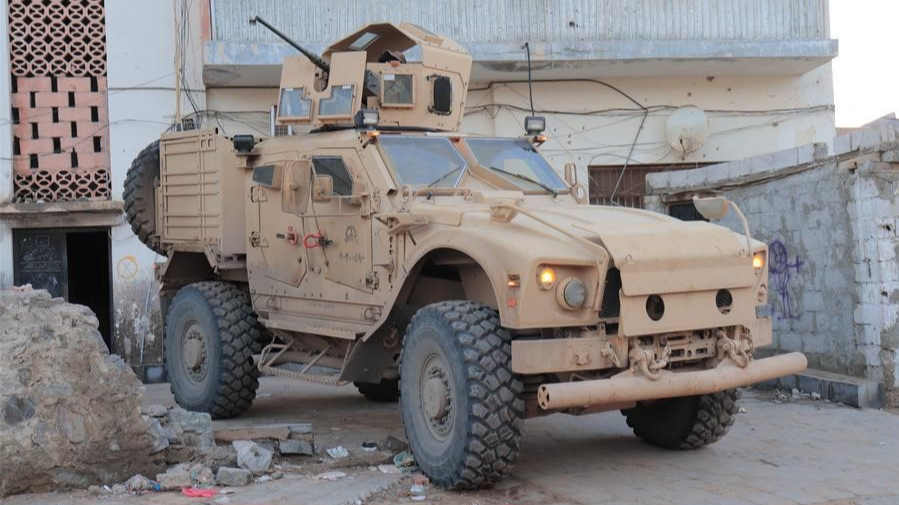
Tensions have escalated in Yemen in recent days as UAE-backed separatist forces known as the Southern Transitional Council (STC) seized large swathes of the oil-rich Hadramout and Al-Mahrah regions. Riyadh considers these two areas a "red line" due to their proximity to Saudi Arabia and concentration of Yemen's remaining energy reserves.
In response to the STC's advances, the Saudi cabinet on Tuesday called on the UAE to end all support for separatist groups, signaling a sharp public rift between the two Gulf powers.
