


China's emerging intelligent hardware brands are becoming increasingly specialized in order to explore vertical markets, leveraging the Guangdong-Hong Kong-Macao Greater Bay Area's well-developed supply chain, global demand for personalized solutions, and advancements in artificial intelligence (AI).
Industry insiders believe that these niche sectors will become new growth points for the industry, with opportunities for further market expansion. They encouraged entrepreneurs to gain deeper insights into user needs and explore new consumption channels beyond e-commerce.
Beyond mainstream products like smartphones, computers, robots and drones, China’s electronic hardware products have expanded into numerous categories, including diverse household devices, AI hardware, and “maker products” that offer customized services. Some of these products have captured significant shares of the global consumer market.
READ MORE: China's AI industry thrives with over 5,300 enterprises
The 2025 Time magazine list of the world's best inventions features dozens of creative products from China, particularly from the Greater Bay Area, covering not only consumer electronics but also design, education, toys, and green energy.
This year, a Chinese consumer-grade 3D printer raised $42 million on the world’s largest crowdfunding platform Kickstarter, breaking the platform’s record in technology funding.
Supported by Kickstarter, global innovation flagship store INNO100 opened in Shenzhen in late November. The store showcased a wide array of emerging innovative hardware products, particularly Chinese items designed for niche demands that have gained popularity in international markets, such as stringless guitars, flying cameras, and AI note takers.
Tan Weijia, secretary general of the Shenzhen Robotics Association, said that Shenzhen's robust and flexible industrial chain, particularly in the consumer electronics sector, provides strong support for producing intelligent products that integrate hardware and software, as well as innovative and customized manufacturing of the products. Additionally, the development and iteration of artificial intelligence technologies further stimulate the diversification of smart hardware.
Wayne Zhang, founder of Longham Group, which helps Chinese brands to expand into overseas markets, said that under the pressure of industry giants dominating lucrative super products, tech startups are actively venturing into more segmented fields to find new opportunities. He said he believes such development holds the potential to become a new driver of growth in the industry.
This trend is not limited to Shenzhen; similar phenomena can also be observed in other cities such as Beijing, Chengdu, and Suzhou, reflecting a nationwide momentum in China’s brand innovation sector, he observed.
He added that with the integration of upstream and downstream industries and the rapid iteration of products — although niche sectors face challenges in scaling — they also present new growth opportunities.
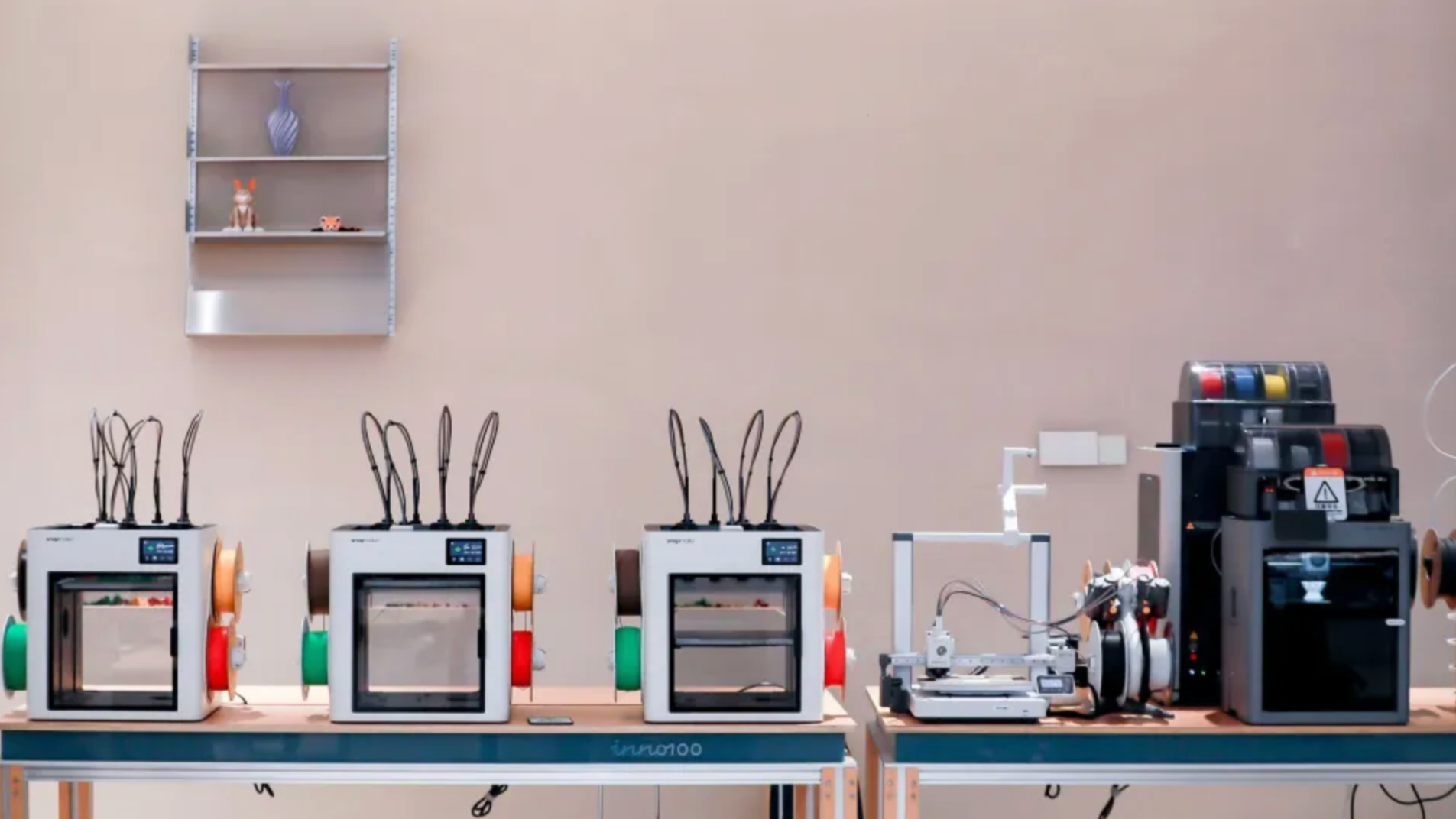
Zhang took 3D printing as an example. It was once a niche market, but has moved towards the mainstream now through collective industry efforts, demonstrating the potential for "growing the pie”.
With the emergence of more specialized and higher-end products, such as electric recreational vehicles and electric yachts, he anticipates that more market opportunities tailored to specific niches will arise in the future.
The company will continue to explore high-priced, experience-driven product opportunities, particularly those suitable for small businesses and professional consumers.
Henri Pang Yik-hang, strategic representative of Kickstarter’s Greater China Region, said that by fully embracing innovative technologies, Chinese projects on the platform are undergoing a significant boom, and the trend is just getting started.
He highlighted Shenzhen's distinctive ecosystem for brand globalization, which integrates everything needed from supply chains to service providers, underscoring its significance for the accelerated development of China's hardware industry.
Pang, who is also an entrepreneur, believes that segmented fields also hold significant market potential. “Essentially, successful projects address the needs of the majority. It’s just that these needs may not yet be apparent to domestic consumers.”
READ MORE: AI innovation powers China's lead in smart eyewear
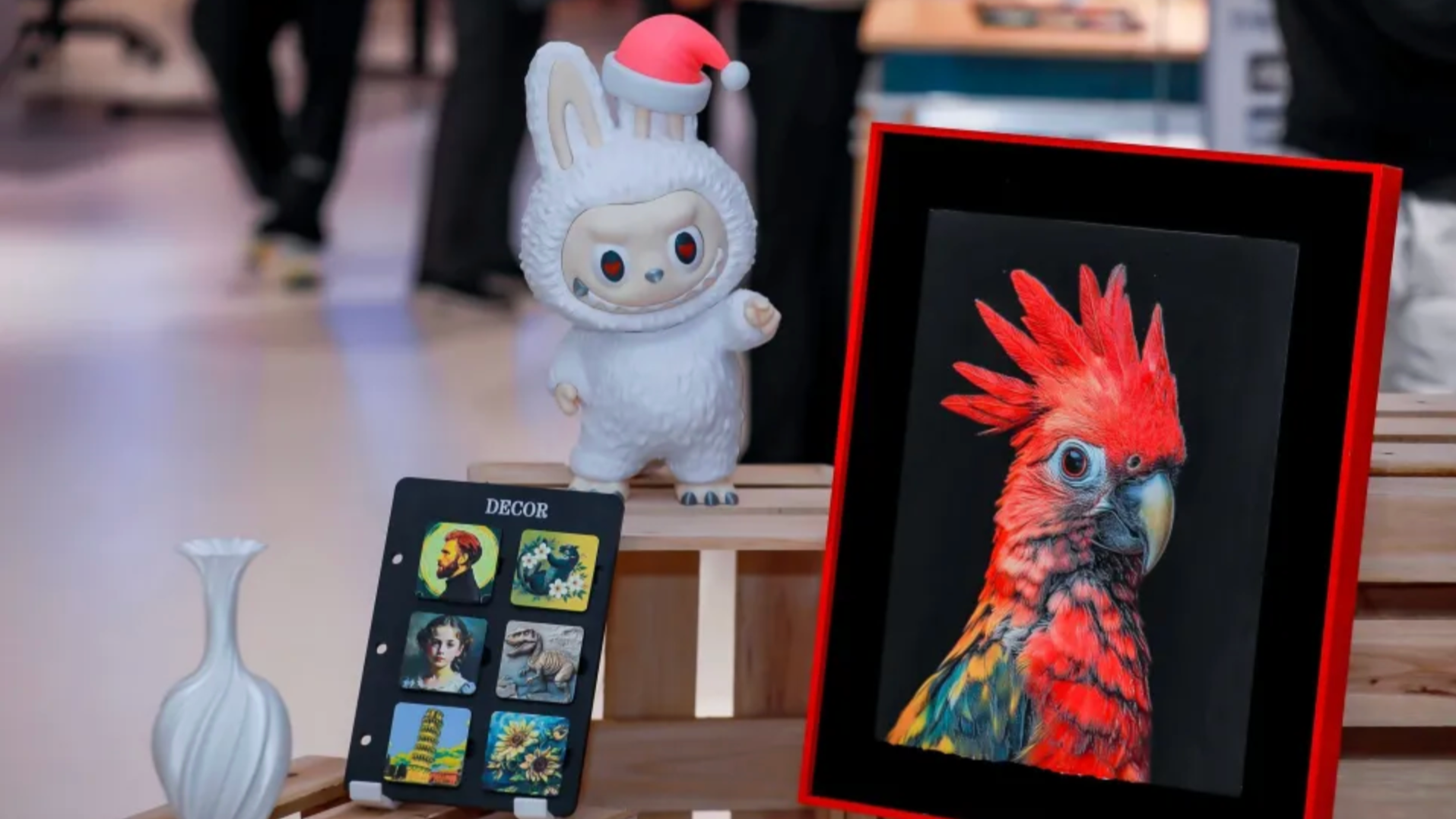
He hopes that Chinese entrepreneurs will leverage offline stores like INNO100 to tap into the domestic market and ensure effective product delivery, so as not to disappoint user expectations.
Given the current market’s rising standards for brand recognition and product fit, Zhang advised entrepreneurs to investigate consumer demands more deeply, enhance product insights, and balance innovation with affordability. He also urged them to explore new distribution channels outside of crowdfunding and independent sites, in light of the challenges facing the traditional e-commerce model.
Praising Chinese entrepreneurs’ acumen in identifying opportunities in overseas markets, Tan called on them to make the most of China's industrial and talent resources and further enhance their innovation capabilities to bolster competitiveness.
