

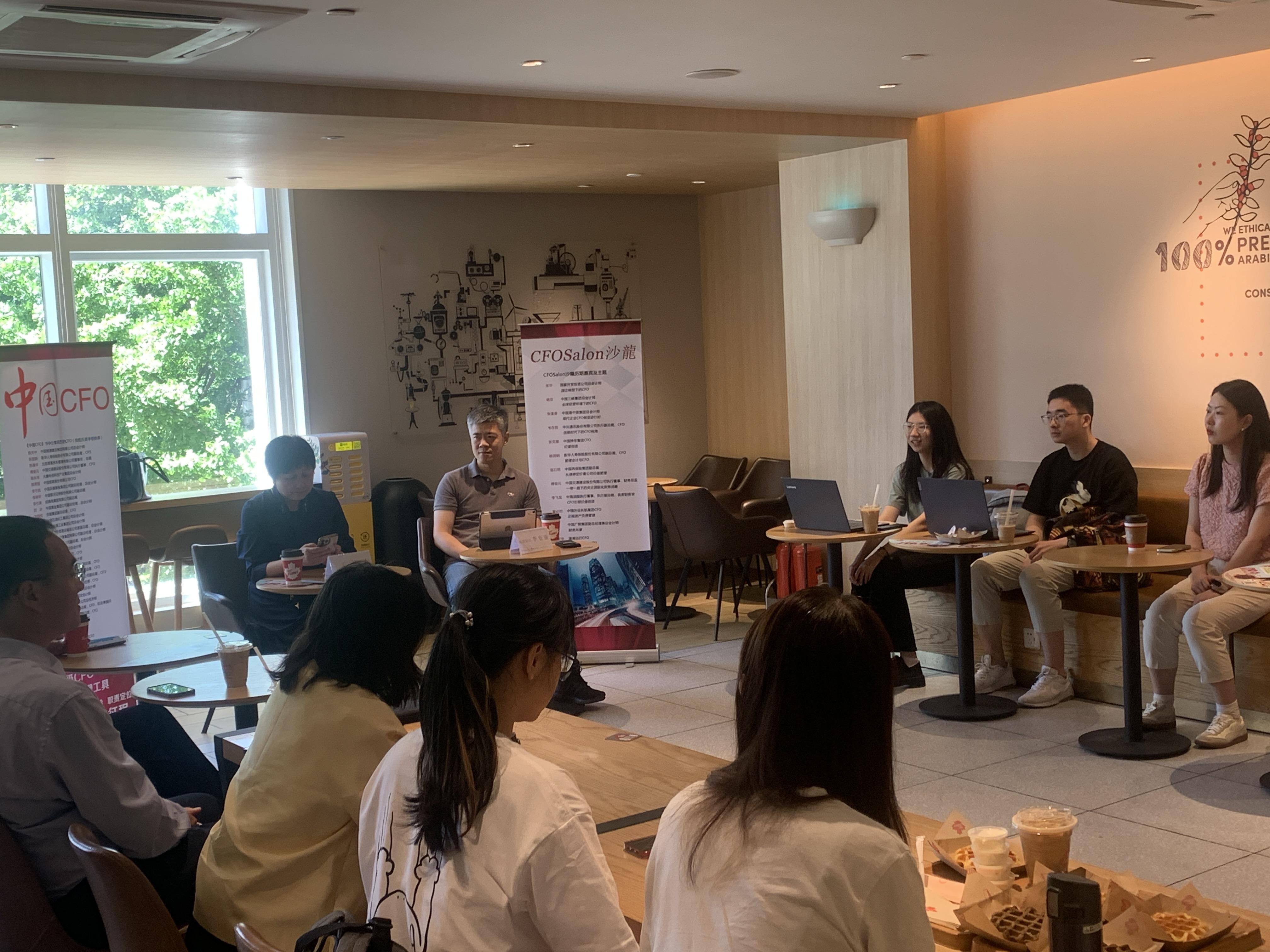
 Dr Li Ankang is the CFO and chief strategy officer of Brii Biosciences. (PROVIDED TO CHINA DAILY)
A CFO of innovative companies often needs to play a "versatile" role, not only communicating internally and externally, integrating business and finance, but also coordinating up and down and improving management, Li Ankang, a keynote speaker said recently at the seventh sharing event of the CFO Salon.
The role requires higher and more comprehensive professional capabilities, said Li, the CFO and chief strategy officer of Brii Biosciences, at the June 4 session.
Role positioning
In innovative research and development stage companies, CFOs often need to handle both internal and external communications. Internal communication mainly involves communication with the R&D department.
In innovative research and development companies, financial personnel need to invest more time in understanding the R&D activities. In the early stages of innovative companies, the R&D team is often relatively lean, with each team member wearing multiple hats and fully occupied with critical tasks.
If CFOs need to rely on R&D personnel to understand each project, internal communication costs will be too high and too much resource will be wasted. Therefore, if CFOs wish to improve work efficiency and participate deeply in corporate governance and decision-making, they must have a clear understanding of the company's core issues.
For people without a scientific background, profound understanding of some technology or science may be a high barrier, but the challenge is not insurmountable. If one wants to expand the scope of his knowledge and experience and develop his career in an industry for long term, CFOs and financial personnel need to invest more time and energy in learning the business.
One of the most important parts of external communication lies in the communication with investors. For R&D stage companies such as biotech companies, there are no revenue or profit to reference for valuation purpose.
Investors often pay more attention to the company's progress in pipeline programs, competitors’ pipeline status, and future R&D catalysts. In addition, investors specialized in the pharmaceutical and biotech industry often have technical background. Therefore, in communication meetings with investors, investors will focus on science, data, and R&D plan.
If the CFO's feedback for such questions is always like “I need to get answers for these technical questions from our R&D team”, it is obviously very inefficient. The CFO needs to help the CEO share the work of external communication, understand the company's business, advantages and disadvantages, differentiation from existing products, competitive landscape in this field, and the most important project progress and timeline in the future, all of which will ultimately be reflected in the company's market performance.
CFOs must have strong external communication skills, which are expected by CEOs and the board of directors. Some may have heard that CFOs should have the responsibility for "market value management”. This should never be the expectation. CFOs cannot control stock price fluctuations. Instead, they should ensure timely and accurate communication on the company's latest status and progress.
Moreover, there are many external potential transactions for technology innovation enterprises, such as license-in, license-out, collaboration, and even mergers and acquisitions. CFO should not only be deeply involved in financial due diligence, transaction structuring, deal negotiation, but also coordinate the disclosure and communication about the transactions. His/her view should not be purely from finance, legal, compliance, or business perspective alone, but a comprehensive and integrated one.
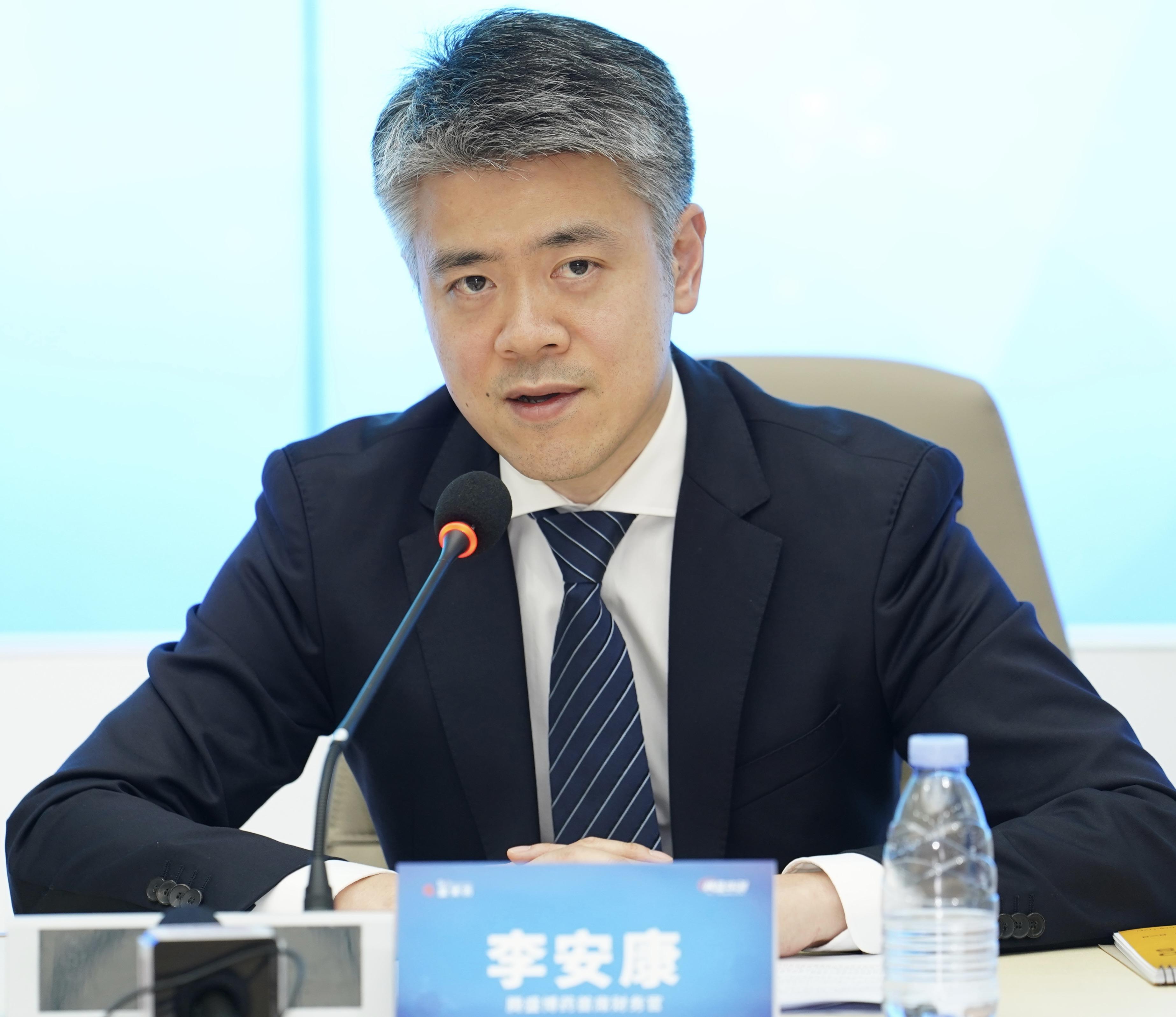 Dr Li Ankang says the CFO role requires higher and more comprehensive professional capabilities. (PROVIDED TO CHINA DAILY)
Job characteristics
As a CFO, one will spend most of his/her time handling daily business operational problems.
Dr Li Ankang said, "Don't expect a day to be completely blocked off and devoted to matters that you feel most excited about, such as strategic planning, and don’t ignore the so-called 'small problems' in daily operations, because everything can become a big problem. As a result, it is necessary to be immersed in all aspects of the company in daily life."
CFO's work needs to be comprehensively considered, to understand the other problems that a problem may bring and the other aspects that a thing can be connected to. There are many small and easily overlooked moments in the daily operation of a company. Each department only focuses on their own business, making it difficult to see the significance of their work at a higher level.
If CFOs can make more connections with various departments and understand more aspects of the company's operations, they will discover more value.
In terms of team management, Li emphasized that CFOs cannot cover all matters, so it is necessary to cultivate one's own team and ensure that team members have necessary and critical capabilities.
For R&D companies, the budget content and accuracy need to be balanced. It is clearly not advisable to spend three months conducting an extremely detailed budget, but an overly loose budget also has many drawbacks.
The finance team needs a good understanding of the industry to assist in formulating plans, in order to have overall directional control in case of changes or uncertainty.
On team stability, Dr Li stated that when the industry is a hot track and there are many opportunities in the market, CFOs need to pay attention to talent retention. They need to provide employees with opportunities to learn and to grow their career. CFOs need to work with other functional team to ensure compensation equity and right incentivization.
Talking on the relationship between CFO and CEO, Li said CFOs need to align with the CEO's vision and long-term strategy.
They also need to be a trusted advisor to the CEO and make decisions together on important matters in real-time. This requires that mutual trust is built between the CEO and the CFO so that the communication can always be frank and candid opinions can be shared.
Most executives in R&D companies have a technical background and may not necessarily have knowledge in fields such as investment banking and law firms. Helping the management team understand different aspects will go a long way in building a trusting relationship.
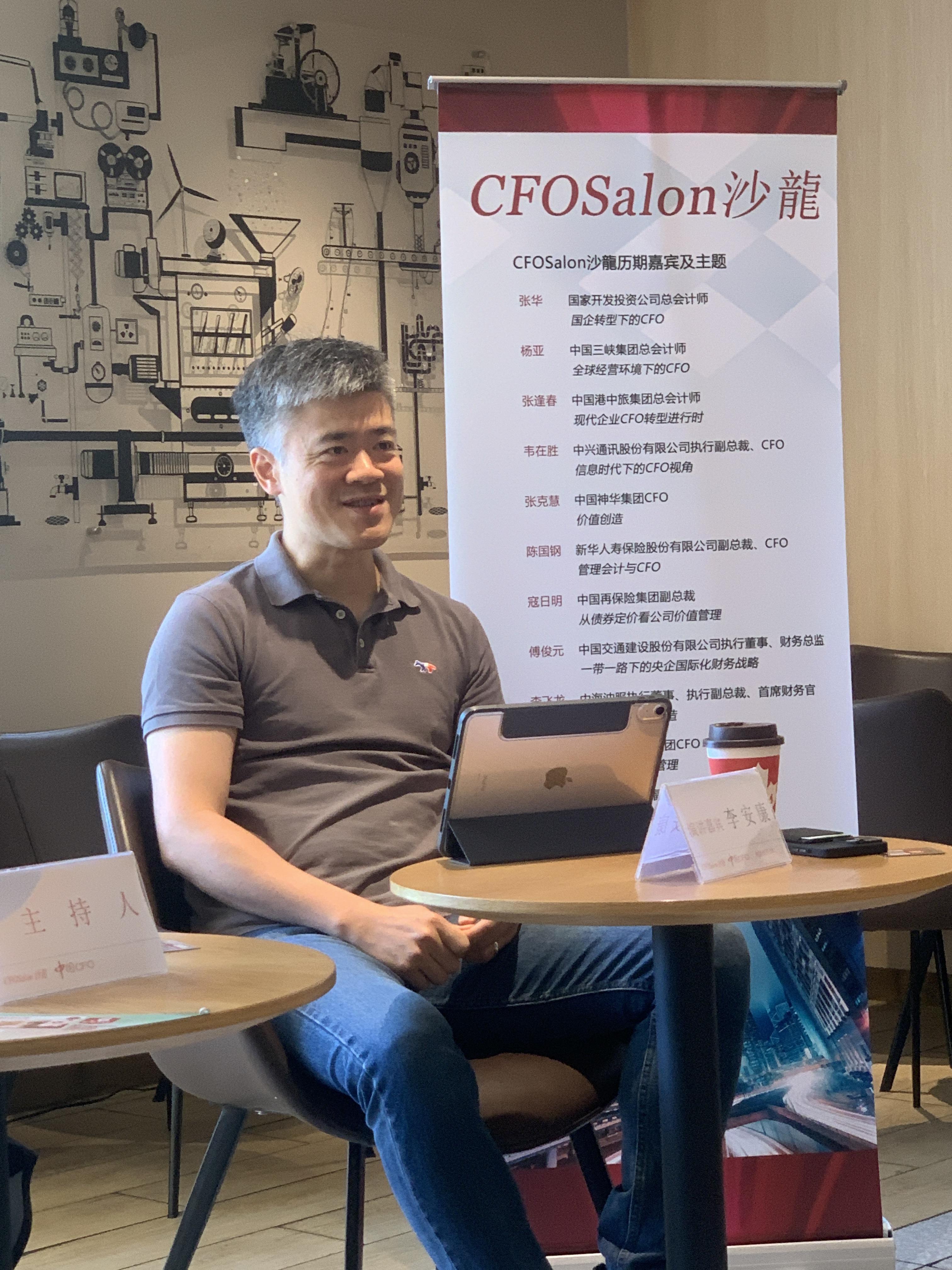 Dr Li Ankang takes a question during the CFO Salon on June 4, 2023. (PROVIDED TO CHINA DAILY)
Question 1: There are benefits and difficulties for professionals from non-public accountant background to be CFOs. I would like to ask you that, in terms of financial issues, do you learn accounting knowledge by yourself, or do you fully trust the finance team?
Li Ankang: My own financial knowledge comes from two aspects: I took the CFA after graduating from law school, which helped deepen my understanding of accounting; in addition, when I was working as a transaction lawyer, I learned how to read and analyze financials. Now as a CFO, I fully trust my experienced team to handle accounting and reporting, but ask to be copied on all emails so that I can keep abreast of any important issues where discussion is required to make decisions. My strength is that I have a broader view of the company, so when it comes to the interpretation of various accounting rules and standards and how they should apply to the company’s specific situation, I can better help the team and the auditor to understand the context. I don't interfere too much in basic book keeping and reporting process unless there are decisions to be made or problems to be solved.
Question 2: How does the company handle the equity incentive for the R&D leader in the statement? How do you allocate that between G&A (General and Administrative) expense and R&D expenses?
Li Ankang: The company takes a more prudent approach in this area. All compensation of the CEO are placed in general and administrative expenses, not in R&D expenses.
Question 3: We are very excited to see the company's high ESG rating, which has grade A rating. I would like to ask you what the highlights of the company are? If the company procures ESG assurance services externally, what would be the company's focus?
Li Ankang: Our company is an innovative biotech company. In terms of ESG, E (Environment) has not yet reached a very high weight, because the manufacturing is carried out through contract manufacturing organizations (CMO). What is more prominent is S (Social). As a company focusing on public health, Brii Biosciences always strive to fulfill our social responsibilities. The company donated many drugs during the COVID-19. In addition, the company has also madegreat efforts in patient support and advocacy, especially for patients with postpartum depression. For example, we have a lot of communications with patient support and advocacy organizations, actively promotes the support of government and legislature, understands the needs of patients, and speaks up for patients. As for G (Governance), Brii Biosciences is one of the few companies on the Hong Kong Exchange with a truly international board of directors. We also emphasize importance to gender and other diversity.
When we procure ESG assurance, we hope to find a firm with a better understanding of the industry, and the global ESG trend in our industry. At present, the presentation format of ESG reports on Hong Kong Exchange is still relatively mechanical, without much customized contents for different industries or companies. We may hope to refer to international industry guidelines and improve the readers’ understanding of different companies’ ESG practice.
Question 4: In the early stage of innovative drug project investment, the company may not meet expectations due to subjective and objective reasons, which has an impact on the company's value/IPO realization. How do you think the company should communicate these issues with investors? Or, how do you think investors would better understand the company?
Li Ankang: For private early stage companies, it is almost impossible to require investors make completely independent judgments and predict the future, because there is indeed information asymmetry, and the company itself may not be able to fully control uncertainty. Therefore, when investing in early stage companies, trust in the team is crucial. If the team has a strong team and the incentive is aligned’, trusting and empowering the management team to do what they are good at will be the right thing to do. But it is also important to establish consensus with the team as soon as possible that the management team need to be transparent with investors on any difficulties and setbacks encountered. For listed companies, communication and disclosure are required to be more prudent, timely and thorough. For the purpose of evaluating investment opportunities in the secondary market, it is important to review the track record of the company to see whether management can deliver on the previous promises.
